Material Intelligence & Cultural Memory
Material is often discussed as a matter of selection – texture, tone, finish. The language tends to focus on appearance or performance, as though material begins at the moment we choose it.
But material is rarely neutral. And it almost never begins with us.
Long before it reaches a space, it has already been shaped by repetition, climate, adaptation, and the habits of hands that understood it intimately. What we sometimes call material intelligence is not innovation in the contemporary sense. It is accumulated understanding – refined quietly over time.
There is a difference between choosing a material and recognising what it remembers.
Some materials carry within them a logic of restraint. Others carry evidence of endurance. Some surfaces hold the imprint of processes repeated season after season until they became instinctive. These qualities are not decorative. They are relational. They emerge from the ongoing relationship between people, place, and necessity.
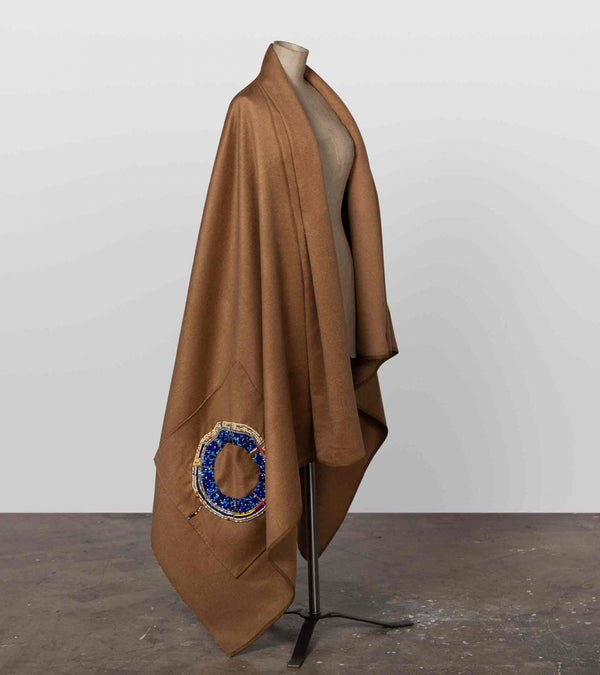
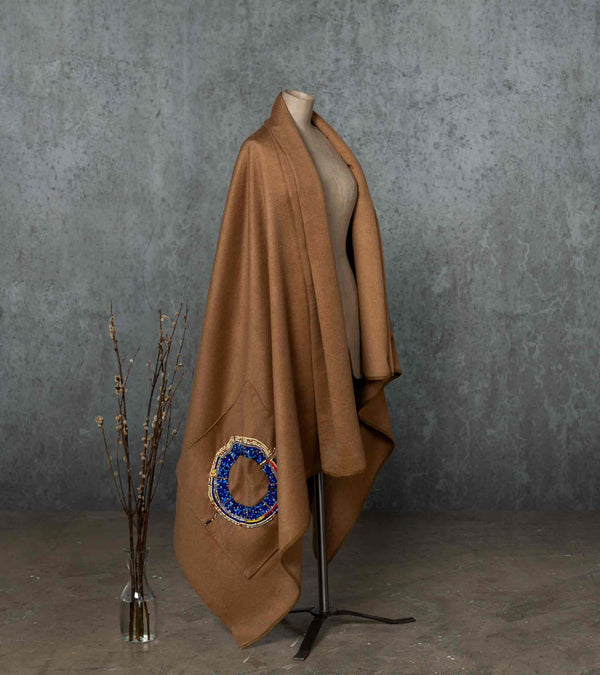
When process is transmitted across generations, material begins to embody continuity. The way fibre is prepared, the way pigment is layered, the way wood is seasoned or stone is cut - these are not isolated techniques. They are embedded philosophies about how to work with the world rather than against it.

And beyond process, materials also carry association.
Certain stones feel ceremonial. Certain timbers feel domestic. Polished metal can suggest precision or formality. Raw plaster can feel grounded or restrained. Even if we cannot articulate why, we have encountered these materials before – in particular settings, climates, or cultural contexts – and those encounters shape our perception.
We bring those memories with us into every space.
This is why material choice quietly influences experience long before layout or furniture does. Our preconceptions – formed through exposure, culture, and personal history – begin interpreting the space almost immediately. Material becomes atmosphere before it becomes object.
Material intelligence, then, is not simply about selecting something beautiful or rare. It is about understanding what that material already implies – what it signals emotionally, culturally, and spatially – and deciding whether that implication supports the experience we intend to create.
When we understand who will inhabit a space, how they need to feel, and what the space must hold, we can work with those material associations deliberately. We can amplify a sense of calm, gravitas, intimacy, or openness not by styling, but by choosing materials whose histories and structural textures already lean in that direction.
In this way, resonance is not accidental.
It comes from awareness.

Cultural memory is not always visible. It does not announce itself. Yet it is perceptible. It shapes how a room feels before it is fully understood. It influences whether a surface feels considered or merely applied.
To work with material intelligently is not to romanticise tradition or resist contemporary expression. It is to recognise that certain materials arrive with histories – and that those histories, along with our collective preconceptions, will shape experience whether we acknowledge them or not.
When material is treated only as aesthetic resource, design becomes surface. When material is treated as bearer of memory and association, design becomes continuity – and continuity, more than novelty, is what gives space its depth.